
Patient Education Video: Explain Treatment in Plain Language
Turn the leaflet your team trusts into a short video patients can watch again at home.
Examples on this page (3)
About this use case
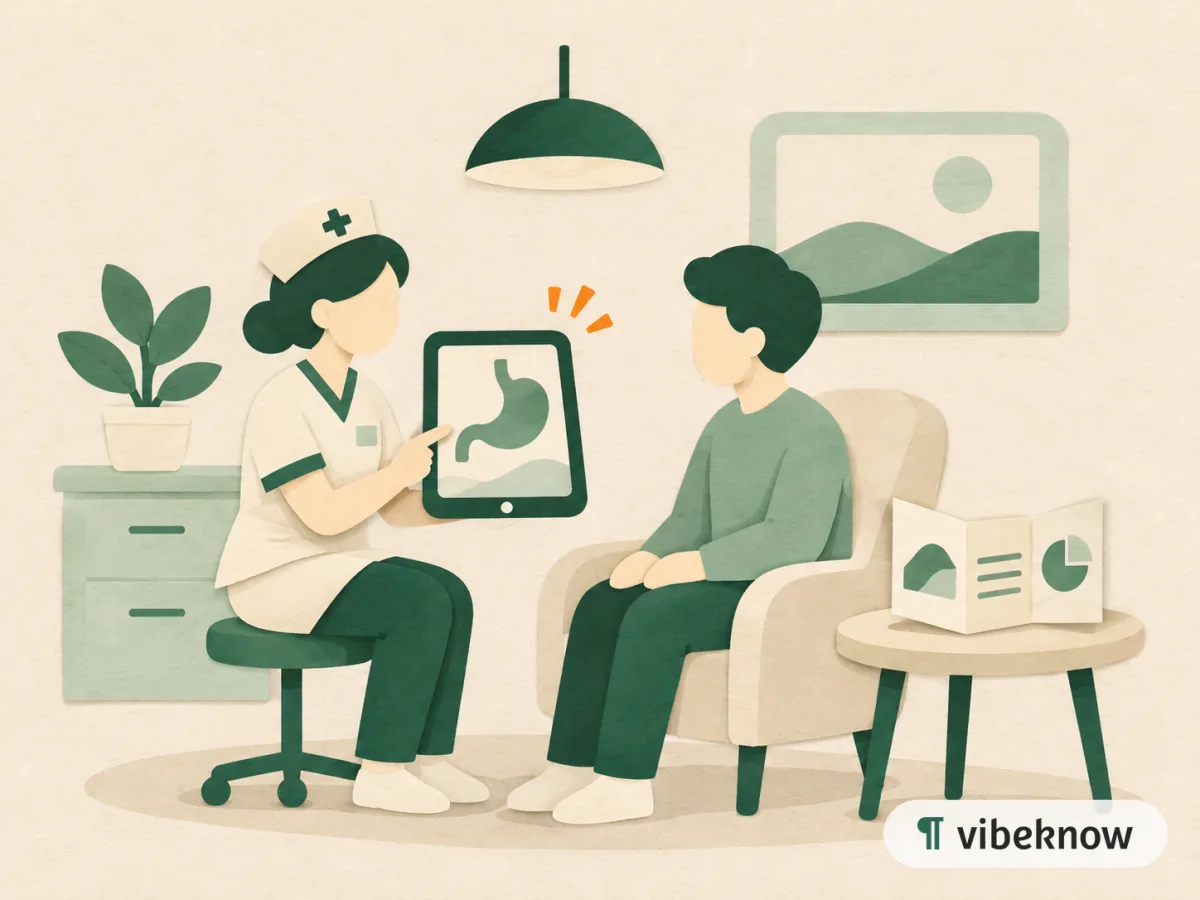
A patient education video explains a condition or treatment in words patients understand, so they can revisit it after the appointment and share it with family. Start from a leaflet or care guide your clinical team has approved. VibeKnow writes plain-language narration and illustrates each step. Have a clinician review it before it reaches patients.
Best for
- Clinics and hospitals
- Nurses and educators
- Pharmacies
- Patient portals
- Health nonprofits
What's in “How to Use Your Asthma Inhaler Correctly”
- Why technique matters: a wet hit on the tongue means the dose missed the lungs.
- Prepare: take off the cap, check the mouthpiece, shake well.
- Breathe out, seal your lips, then press once while breathing in slowly and deeply.
- Hold your breath for about 10 seconds; wait 30 to 60 seconds before a second puff.
- Ask your pharmacist to check your technique at your next visit.
Made with VibeKnow and shown in full.
What happens after the patient leaves
In the room, everything makes sense. Then the patient is at home with a leaflet, a new routine and a family member asking questions they can't quite answer. Was it two puffs or one? Before food or after?
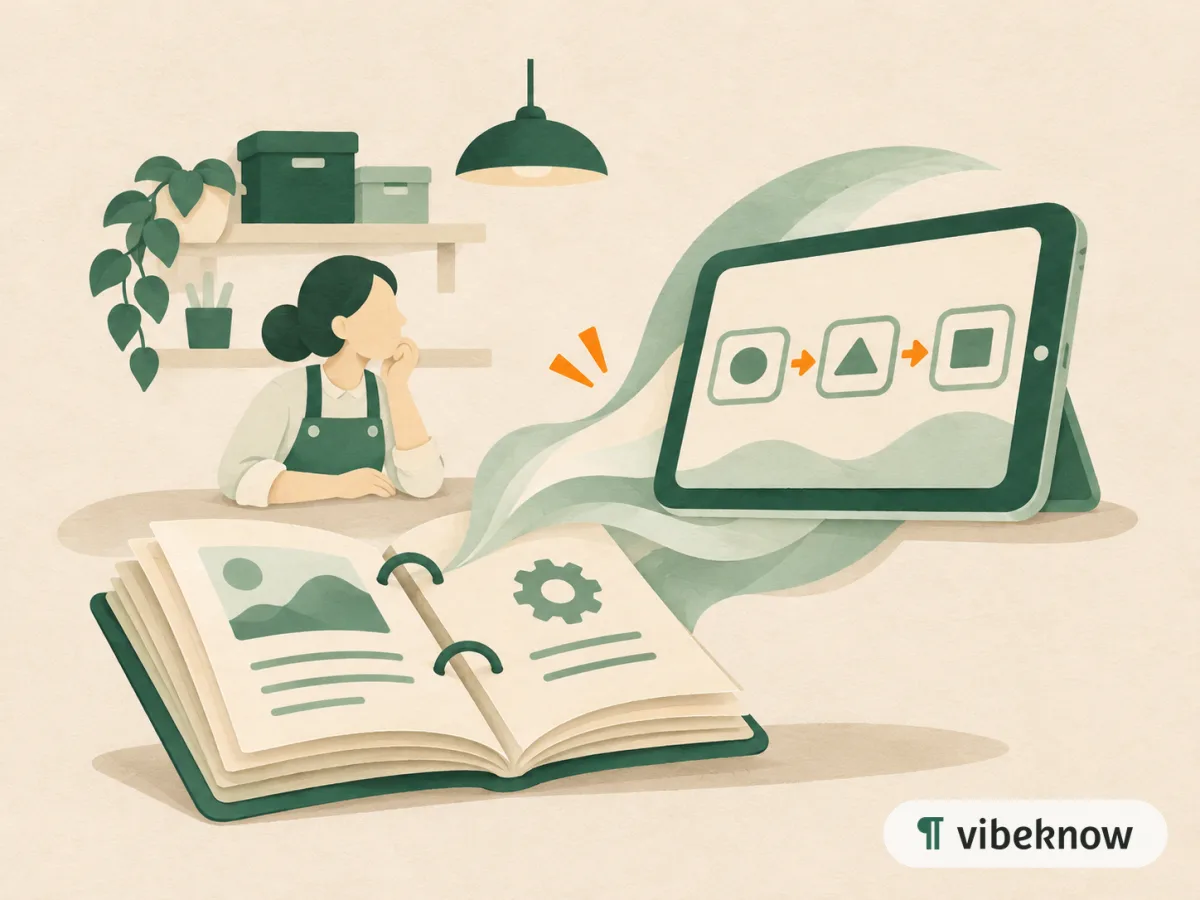
A patient education video built from the material your team already approved lets them hear the explanation again, in plain words, as often as they need. It also gives carers and relatives the same information the patient received.
How to make a patient education video
 01
Upload approved material
A leaflet, treatment guide or care instructions as PDF, Word or text.
 02
Describe your patients
Add who will watch and how simple the language should be.
 03
Clinician review
Have a clinician check the narration and visuals, correct anything, then download the MP4.
Start from what you have: PDF to video · Document to video · Image explainer video
Ways clinics use patient education videos
After the appointment
Send the link with discharge or follow-up instructions.
Waiting-room screens
Loop short videos on common questions while people wait.
Device technique
Show inhalers, injection pens or blood pressure cuffs step by step.
Before a procedure
Explain what to expect and how to prepare, so fewer people arrive worried.
Other languages
Make the same video with narration in another language for patients who need it.
How it compares with other ways to explain treatment
Related use cases
View all use cases






FAQ
Questions about patient education videos.

Does VibeKnow check medical accuracy?
No. It explains what you upload, and AI-written content can contain mistakes. A qualified clinician should review every video.
Can I upload patient records?
Please don't. Use general education material only, with no names or identifying details.
Can I make versions in other languages?
Yes. Narration comes in 8 languages: English, Spanish, French, Portuguese, Japanese, Korean, and Simplified and Traditional Chinese. Pick one in the voice menu before you generate.
How plain will the language be?
You decide. Say who will watch in the prompt, for example “older adults with no medical background, short sentences”.
Upload a patient leaflet
Get a first version in minutes, then review it with your team.